

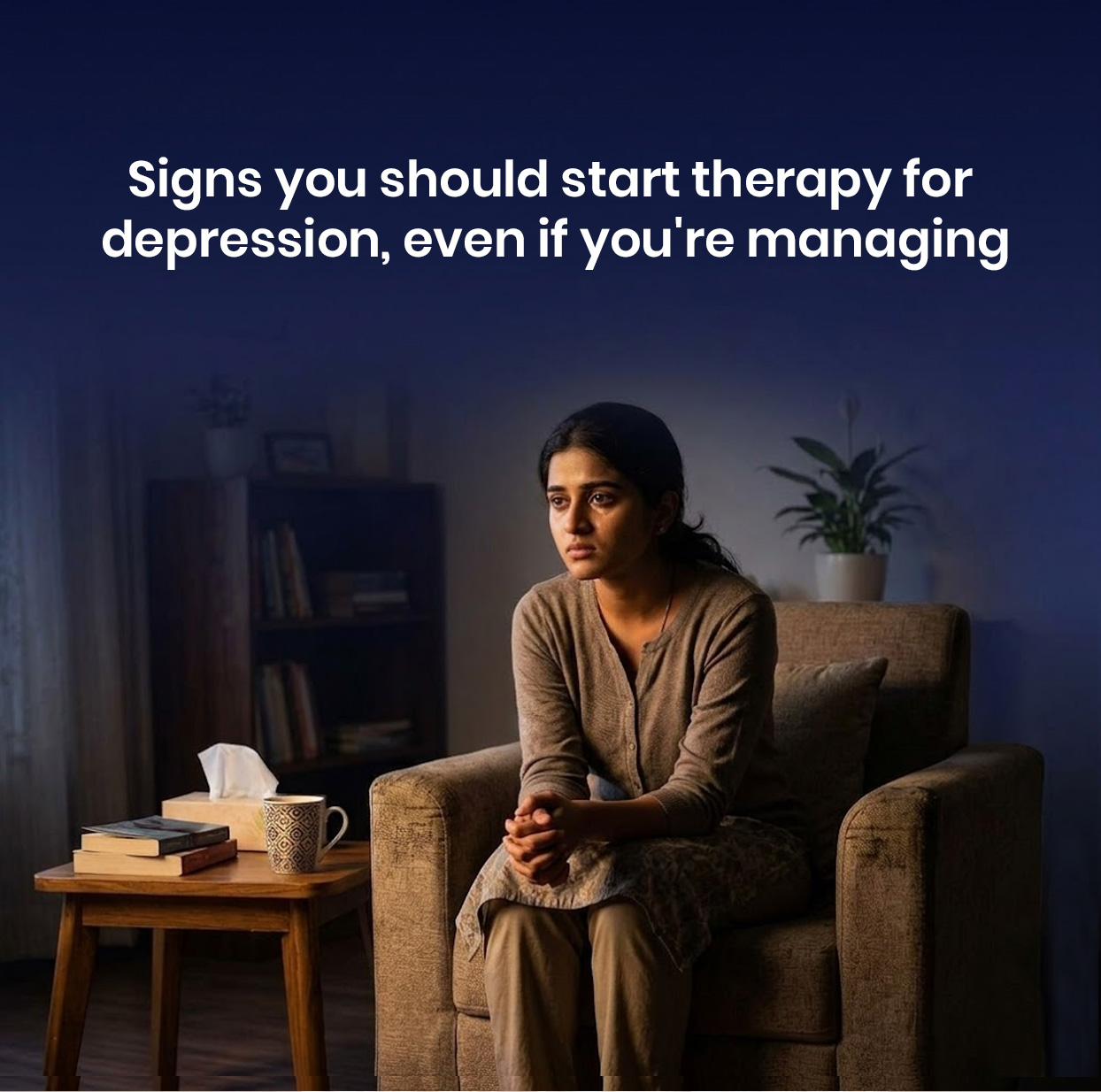
Many people living with depression continue living a simple life. They go to work, reply to messages, take care of responsibilities, and convince themselves that things are “not bad enough” to ask for help. But depression does not always look like complete emotional collapse. Sometimes it quietly becomes part of daily life until exhaustion, sadness, isolation, or hopelessness feel normal.
In reality, the “right” time to start therapy is often much earlier than most people realise. Studies show that many individuals wait years before seeking professional support for depression or anxiety. During that time, they continue struggling with symptoms that could have been treated with proper guidance and evidence-based therapy. While therapy is widely recognised as one of the most effective treatments for depression, many people still delay reaching out for help. And they try to handle it by themselves.
Why Do People Delay Therapy?
There are several reasons why someone may hesitate to begin therapy for depression. Some people fear being judged or feel ashamed about needing emotional support. Others grow up around negative beliefs about counselling or mental health treatment. Many struggle with hopelessness and believe nothing can truly improve their situation.
For some, the fear comes from uncertainty. Opening up to a stranger can feel intimidating, especially if they’ve never attended therapy before or had a previous negative experience. Others avoid therapy simply because facing painful thoughts and emotions feels overwhelming.
Depression itself also affects decision-making. It clouds thinking, lowers motivation, and makes even simple tasks feel exhausting. What begins as avoiding social plans, sleeping a little more, or losing interest in hobbies can slowly become a long-term emotional pattern. Over time, people often wonder how they drifted so far from the person they once were.
If these emotional struggles continue affecting your daily life, seeking therapy for depression can help you better understand your thoughts, emotions, and behavioural patterns before they become more overwhelming.
What Does Depression Really Look Like?
Depression affects people differently depending on age, personality, lifestyle, and emotional circumstances. It is much more than simply “feeling sad.” Younger adults may become irritable, emotionally withdrawn, anxious, or hopeless about the future. They may experience changes in appetite, oversleeping, social anxiety, or unhealthy coping habits. Middle-aged adults often experience sleep disturbances, emotional exhaustion, reduced interest in relationships, digestive issues, or repeated depressive episodes.
Older adults may not openly describe sadness at all. Instead, they may feel emotionally numb, disconnected, forgetful, tired, or overwhelmed by physical health concerns. Depression can appear quietly and gradually, which is why many people fail to recognise when they need support. Speaking with the best psychologist in Ernakulam can help individuals identify symptoms early and receive proper emotional guidance.
5 Signs It May Be Time to Start Therapy for Depression
1. Persistent Sadness or Emotional Numbness
If sadness, emptiness, hopelessness, or emotional heaviness continues for weeks and begins affecting your daily life, therapy may help. Some people stop enjoying life altogether, while others feel emotionally disconnected from themselves and the people around them.
2. Loss of Interest in Activities You Once Enjoyed
One of the most common signs of depression is losing interest in hobbies, social events, work, or routines that once brought happiness. If you constantly avoid activities you used to love, therapy can help uncover what’s contributing to that emotional withdrawal.
3. Increased Irritability or Anger
Depression does not always appear as sadness. Sometimes it shows up as frustration, impatience, emotional sensitivity, or anger. If you find yourself becoming easily irritated or emotionally reactive, it may be connected to underlying mental health struggles.
4. Changes in Sleep Patterns
Sleeping too much, struggling to fall asleep, waking up frequently, or feeling constantly tired can all be signs of depression. Mental health and sleep are deeply connected, and therapy can help identify emotional causes behind disrupted sleep habits.
5. Thoughts of Self-Harm or Suicide
If you experience thoughts of self-harm, worthlessness, or suicide, seeking professional help immediately is extremely important. You do not have to face those feelings alone, and support is available. Today, many people also choose Online therapy for depression because it offers comfort, privacy, flexibility, and access to professional support from home.
Common Symptoms of Depression
Depression symptoms can vary from person to person, but some commonly experienced signs include:
- Constant fatigue or low energy
- Difficulty concentrating
- Feelings of guilt or worthlessness
- Appetite or weight changes
- Lack of motivation
- Social withdrawal
- Loss of confidence
- Emotional emptiness
When these symptoms begin interfering with daily responsibilities, relationships, work, or emotional wellbeing, professional support becomes important.
Different Types of Depression
Depression can exist in several forms.
Major Depressive Disorder (MDD)
This is one of the most common forms of depression and includes ongoing sadness, loss of interest, fatigue, and emotional difficulties lasting at least two weeks or longer.
Persistent Depressive Disorder (PDD)
Previously called dysthymia, this type involves long-term depressive symptoms that may feel less intense but continue for years. Many individuals describe it as feeling emotionally low “for as long as they can remember.”
Seasonal Affective Disorder (SAD)
This type of depression often appears during colder or darker months due to reduced sunlight exposure.
Postpartum Depression
Some individuals experience depression after childbirth due to emotional stress, hormonal changes, exhaustion, and lifestyle adjustments.
Treatment Options for Depression
The good news is that depression is treatable, and recovery is possible with the right support.
Psychotherapy
Therapy helps individuals understand negative thought patterns, emotional triggers, and coping strategies. Approaches such as Cognitive Behavioural Therapy (CBT), Acceptance and Commitment Therapy (ACT), and Interpersonal Therapy (IPT) are commonly used to treat depression.
Medication
Antidepressant medications may help reduce symptoms for some individuals. A healthcare professional can guide proper diagnosis and treatment options.
Lifestyle Changes
Regular exercise, healthy sleep habits, stress management, social connection, and balanced nutrition can positively impact mental health.
Alternative and Advanced Treatments
For severe or treatment-resistant depression, options such as brain stimulation therapies, meditation, or complementary therapies may also help under professional guidance.
You Don’t Have to Wait Until Things Get Worse
Many people believe they should only seek therapy when life becomes unbearable. But therapy is not only for crises. It is also for understanding yourself better, improving emotional wellbeing, and preventing symptoms from becoming more severe.
Even if you are still functioning, constantly “pushing through” emotional pain can become exhausting over time. Reaching out for help is not a weakness, it is a meaningful step toward healing, clarity, and a healthier life.You don’t have to fight this battle alone, Online therapy for depression can bring significant differences in your emotional well-being and quality of life.