

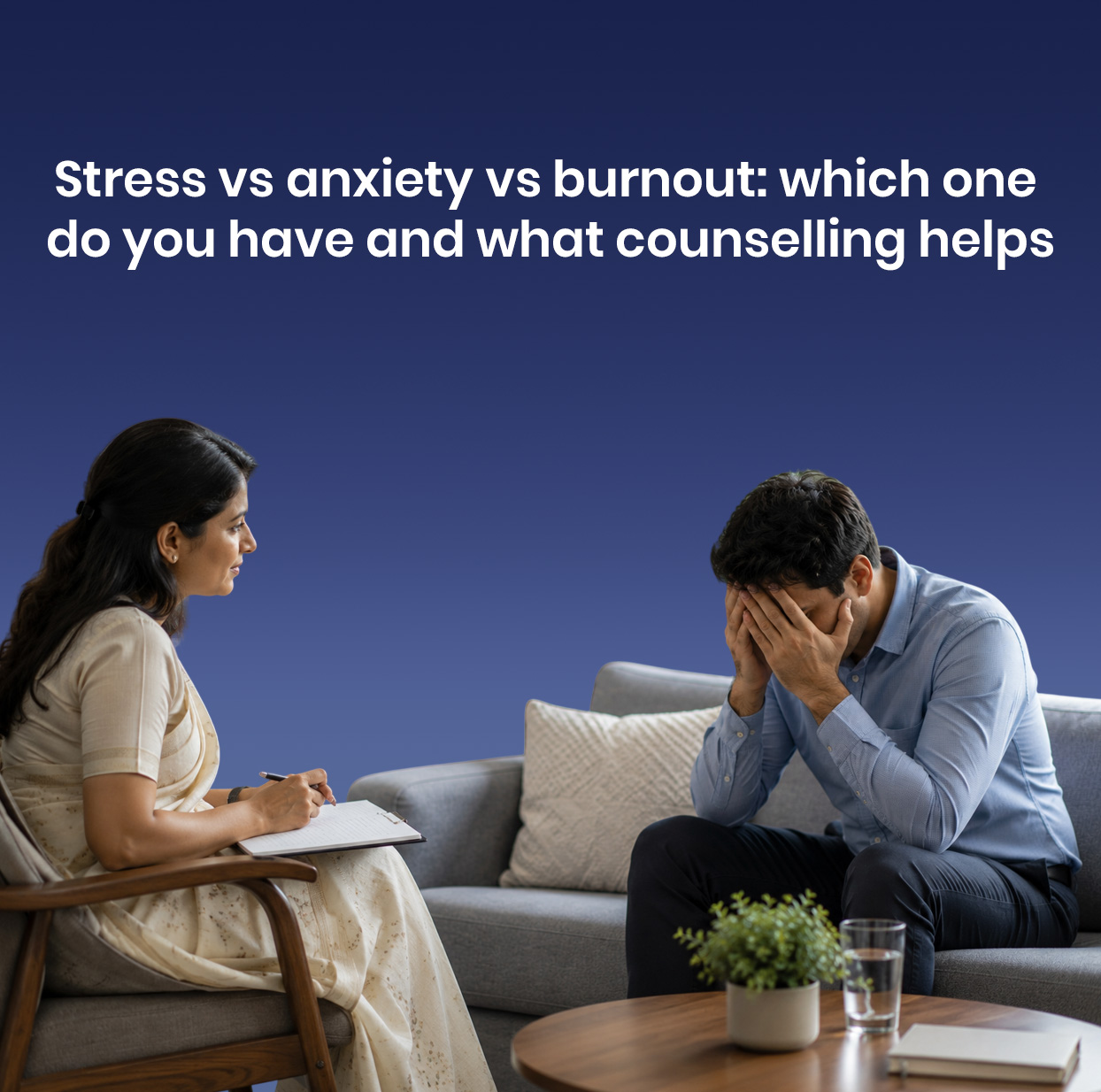
Many people go through emotional struggles every single day without proper awareness of what exactly they are experiencing. Some assume it is just a temporary emotional phase, while others casually call it stress, anxiety, or burnout without truly understanding the difference between them. A person feeling mentally exhausted may think they are simply tired. Someone who is constantly overthinking may not realise they are dealing with anxiety. Another individual who has completely lost motivation may dismiss it as laziness, when it could actually be burnout.
The reality is that most people do not have a clear picture of these emotional conditions, even though they affect daily life, relationships, work, studies, and overall well-being. While stress, anxiety, and burnout may appear similar from the outside, they are different experiences that affect the mind and body in different ways. Understanding these differences is important because the right awareness and counselling support can help individuals manage their emotions better and prevent emotional struggles from becoming more serious over time through proper Stress management and counselling.
Understanding Stress
Stress is one of the most common emotional experiences people face today. It usually happens when an individual feels pressured, overloaded, or emotionally stretched due to situations like work deadlines, financial problems, academic pressure, family responsibilities, or relationship conflicts.
For example, a college student preparing for multiple exams within a short period may feel mentally pressured, lose sleep, and become irritated easily. Similarly, a working parent trying to balance office responsibilities and household duties may feel constantly overwhelmed. These are common examples of stress caused by external pressure.
A small amount of stress can sometimes help a person stay focused and productive. However, when stress continues for a long period without proper rest or emotional support, it can slowly affect both physical and mental health.
Common Signs of Stress
- Feeling constantly tired
- Irritation and mood swings
- Difficulty sleeping
- Headaches and body pain
- Lack of concentration
- Feeling overwhelmed easily
- Changes in appetite
- Low patience levels
Many people ignore these signs in the beginning, believing they will eventually disappear on their own. But untreated stress can slowly affect confidence, emotional balance, productivity, and relationships.
How to Handle Stress
Handling stress requires more than simply “taking rest.” In many cases, individuals need proper emotional guidance and support to understand what is triggering their stress and how to manage it in healthier ways.
Some effective ways to manage stress include:
- Creating a healthy daily routine
- Practising breathing and relaxation exercises
- Improving sleep patterns
- Taking breaks from overwhelming environments
- Talking openly about emotional struggles
- Seeking guidance from an expert psychologist or counsellor
Professional counselling helps individuals identify unhealthy thought patterns, emotional triggers, and coping difficulties. Consulting the best psychologist in Ernakulam can help individuals develop healthier emotional responses instead of allowing stress to build up silently.
Understanding Anxiety
Anxiety is different from everyday stress or temporary worry. It is a constant feeling of fear, nervousness, or uneasiness that may continue even when there is no immediate danger or problem.
For example, a student may fear speaking in class because they constantly worry others will judge them, even when no one is criticising them. An employee may panic before attending meetings despite being fully prepared. Some individuals repeatedly imagine worst-case scenarios in normal situations and struggle to control these thoughts. These experiences often go beyond ordinary nervousness and may indicate anxiety.
People experiencing anxiety often struggle to control their thoughts. Their mind may continuously expect negative situations, failure, embarrassment, or danger, even during ordinary moments.
Common Signs of Anxiety
- Excessive overthinking
- Constant fear or worry
- Rapid heartbeat
- Sweating or trembling
- Panic attacks
- Difficulty relaxing
- Fear of social situations
- Restlessness and nervousness
Anxiety can affect studies, work performance, relationships, and confidence. Some people may avoid social gatherings, important opportunities, or even daily activities because of intense fear and emotional discomfort.
How to Handle Anxiety
Anxiety should never be ignored as “overreacting” or “being too emotional.” Proper counselling can help individuals understand their fears and develop healthier ways to respond to anxious thoughts.
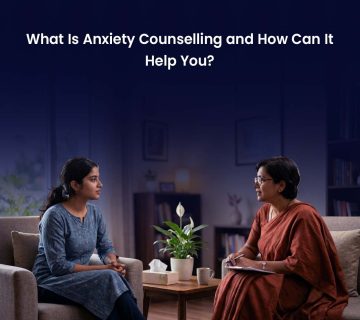
Counselling for anxiety may include:
- Cognitive Behavioural Therapy (CBT)
- Mindfulness techniques
- Relaxation exercises
- Emotional regulation strategies
- Gradual exposure therapy for fears
- Lifestyle and sleep management
An experienced psychologist or counsellor helps individuals understand the root cause of their anxiety rather than simply suppressing emotions. With the right support from the best psychologist in Kochi, people can slowly regain emotional control and confidence in daily life.
Understanding Burnout
Burnout is a state of deep emotional, mental, and physical exhaustion caused by prolonged stress. It is commonly seen among working professionals, students, caregivers, parents, and individuals who constantly push themselves without proper emotional rest.
For example, a healthcare worker continuously handling pressure for months may begin feeling emotionally numb and disconnected from work. A student studying constantly without proper breaks may lose motivation completely and stop enjoying activities they once loved. A parent managing responsibilities without emotional support may feel exhausted every single day, even after resting. These are common examples of burnout.
Unlike stress or anxiety, burnout often makes a person feel emotionally disconnected and drained rather than fearful.
Common Signs of Burnout
- Constant emotional exhaustion
- Lack of motivation
- Feeling emotionally numb
- Reduced productivity
- Detachment from work or relationships
- Feeling hopeless or empty
- Frequent tiredness even after rest
- Loss of interest in daily activities
Burnout can slowly affect self-esteem, mental health, and physical well-being if left untreated for a long time.
How to Handle Burnout
Recovering from burnout requires emotional healing, proper boundaries, and lifestyle changes. Ignoring burnout can eventually lead to severe emotional struggles, including anxiety and depression.
Some helpful ways to manage burnout include:
- Reducing emotional overload
- Creating work-life balance
- Taking intentional breaks
- Reconnecting with hobbies and personal interests
- Practicing self-care consistently
- Seeking therapy or counselling support
Professional counselling helps individuals understand emotional exhaustion, process unresolved stress, and rebuild healthier routines. Therapy also helps people learn that rest is not laziness, it is an important part of emotional well-being.
Why Emotional Awareness Matters
Many emotional struggles look similar from the outside, which is why people often misunderstand what they are actually going through. Someone experiencing burnout may think they simply need motivation. A person with anxiety may believe they are weak or overly sensitive. Another individual dealing with stress may continue ignoring symptoms until they become emotionally exhausted.
Emotional awareness helps people recognize when they need support instead of silently struggling alone. Seeking help at the right time can prevent emotional difficulties from becoming more serious and overwhelming.
Heal Better With the Right Support
Stress, anxiety, and burnout are not simply “phases” that should always be ignored. They are emotional experiences that deserve attention, understanding, and proper care. Every individual experiences emotions differently, which is why professional guidance can make a major difference in the healing process.
If you are struggling with an emotional phase and finding it difficult to understand yourself, do not hesitate to seek support. Healing becomes easier when you receive the right guidance from an experienced psychologist or counsellor.
Book an appointment with the best counselling centre in Kerala now!