

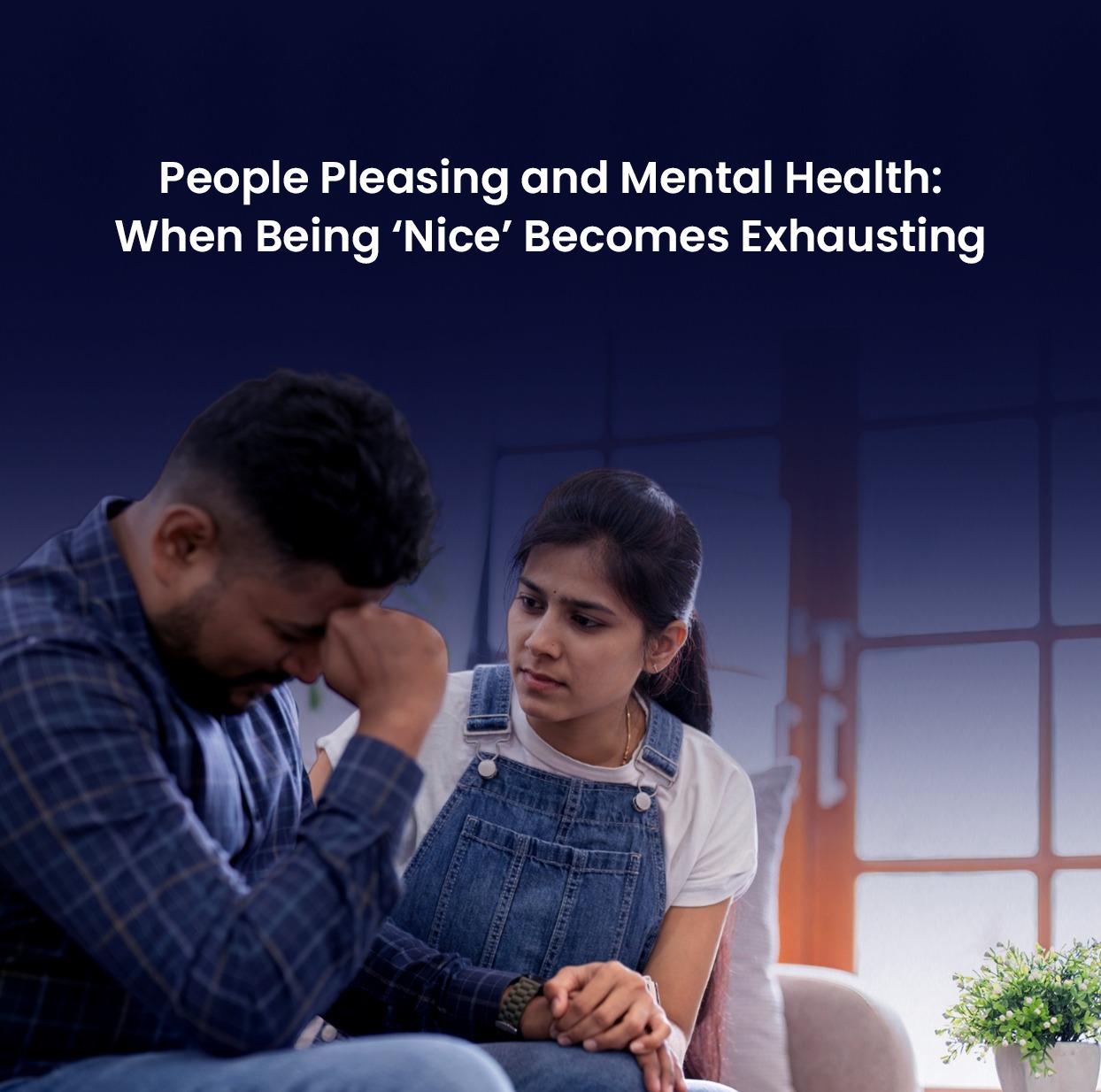
Have you ever said “yes” when you desperately wanted to say “no”? Smiled when you felt hurt? Agreed just to avoid conflict? Many people silently carry the burden of always being the “nice” one. At first, it feels good to be appreciated and needed. But over time, constantly prioritizing others while ignoring your own needs can become emotionally draining. People-pleasing may look like kindness on the outside, but inside, it can lead to exhaustion, anxiety, resentment, and even depression. Being kind is beautiful but not when it costs your mental peace.
What Is People-Pleasing?
People-pleasing is a behavioral pattern where a person constantly seeks approval, avoids conflict, and puts others’ needs above their own. It often develops from childhood experiences, fear of rejection, low self-esteem, or the desire to feel valued. While cooperation and empathy are healthy traits, people-pleasing becomes unhealthy when your self-worth depends entirely on others’ validation.
You may find it hard to set boundaries, feel guilty for resting, over-apologize, or constantly worry about disappointing others. Over time, this pattern can damage relationships and your own emotional well-being.
The Hidden Mental Health Impact
When you continuously suppress your feelings to keep others happy, your emotional needs remain unmet. This can lead to chronic stress, burnout, anxiety disorders, and emotional fatigue. Many people-pleasers struggle with identity confusion because they are so used to adjusting themselves for others that they lose touch with who they truly are.
Seeking support through the Best Online counselling in Malayalam can help individuals explore these patterns in a safe and culturally comfortable environment. Expressing emotions in your own language often makes therapy more personal and effective, especially when dealing with deep-rooted emotional habits.
Why Setting Boundaries Feels So Hard
For people-pleasers, boundaries feel uncomfortable. Saying “no” may trigger fear, fear of being disliked, rejected, or misunderstood. However, boundaries are not selfish. They are necessary for emotional balance and healthy relationships.
Through the Best psychology counselling in Kerala, individuals can learn practical tools to set healthy boundaries without guilt. Therapy helps in identifying unhealthy thought patterns like “I must always make others happy” and replacing them with balanced beliefs such as “My needs matter too.” Learning assertive communication and self-respect can transform relationships in a positive way.
Signs You Might Be Emotionally Exhausted
Emotional exhaustion from people-pleasing may show up as:
- Constant tiredness even after rest
- Irritability or silent resentment
- Feeling unappreciated
- Difficulty making decisions
- Anxiety about others’ opinions
If these signs feel familiar, it may be time to consult and get professional guidance through the Best Online counselling services in Kerala that can provide structured support to rebuild confidence and self-worth. Online therapy makes it easier for individuals to access help from the comfort of their homes, reducing hesitation and stigma around seeking mental health care.
Choosing Self-Respect Over Approval
Breaking free from people-pleasing does not mean becoming rude or uncaring. It means understanding that your kindness should not come at the cost of your well-being. Healthy relationships are built on mutual respect, not self-sacrifice.
Start with small changes, pause and think before saying yes, check in with your feelings, and remind yourself that disagreement does not equal rejection. Self-care is not selfish; it is essential. When you respect your own boundaries, others learn to respect them too.
Conclusion
Being kind is a strength, but only when it flows from a place of emotional balance. If being “nice” is leaving you drained and unheard, it may be time to seek support. You deserve relationships where your voice matters and your needs are valued.
If you’re struggling with people-pleasing and emotional exhaustion, consider reaching out for professional help. The right guidance can help you build confidence, set boundaries, and rediscover your true self.