

It’s quite common to feel pressured, overwhelmed, or constantly on edge. Deadlines, expectations, personal struggles, and even social interactions can silently build up into anxiety. While many people try to manage these feelings on their own, anxiety can gradually interfere with daily life, relationships, and overall well-being. This is where anxiety counselling becomes a powerful and supportive solution, helping individuals regain control, clarity, and emotional balance.
What Is Anxiety Counselling?
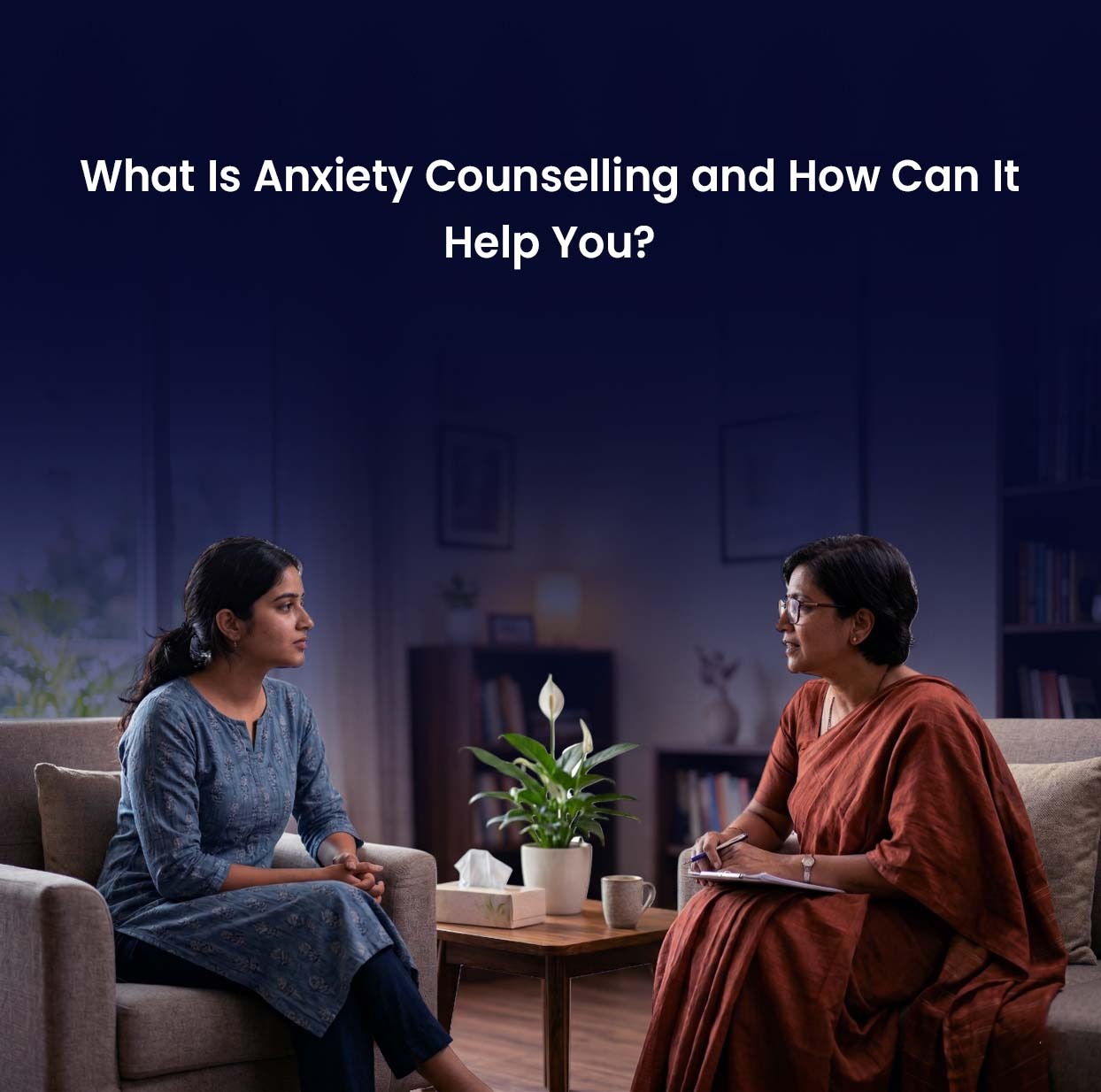
Anxiety counselling is a structured form of therapy designed to help individuals understand and manage their anxious thoughts, feelings, and behaviors. Conducted by trained psychologists or therapists, it provides a safe, non-judgmental space where you can openly discuss your concerns without fear.
Unlike casual conversations with friends or family, counselling is guided by professional techniques that aim to identify the root causes of anxiety. These causes may include past experiences, fear of uncertainty, work pressure, academic stress, or even deeply ingrained thinking patterns.
One of the most commonly used approaches in anxiety counselling is Cognitive Behavioural Therapy (CBT). This method focuses on identifying negative thought patterns and replacing them with healthier, more realistic ones. Other techniques such as mindfulness, relaxation exercises, and stress management strategies are also used to help individuals develop a stronger sense of control over their emotions.
How Can Anxiety Counselling Help You?
1. Helps You Identify Triggers
Many people experience anxiety without fully understanding what causes it. Counselling helps you explore your thoughts and experiences to identify specific triggers, whether they are situations, people, or internal fears. Once identified, these triggers become easier to manage.
2. Builds Healthy Coping Mechanisms
Instead of avoiding anxiety-provoking situations, counselling teaches you how to face them with confidence. Techniques like deep breathing, grounding exercises, and positive self-talk can help you stay calm and composed even in stressful moments.
3. Reduces Overthinking and Negative Thoughts
Overthinking is one of the most common symptoms of anxiety. Counselling helps break this cycle by training your mind to focus on facts rather than fears. You learn how to challenge irrational thoughts and replace them with balanced perspectives.
4. Improves Emotional Regulation
Anxiety often leads to emotional ups and downs. Through counselling, you learn how to understand your emotions better and respond to them in a healthier way, rather than feeling overwhelmed.
5. Enhances Confidence and Self-Esteem
As you gain control over your anxiety, your confidence naturally improves. You begin to trust yourself more, make decisions with clarity, and face challenges without constant fear.
6. Improves Relationships and Daily Functioning
Anxiety can sometimes cause withdrawal, irritability, or misunderstandings in relationships. Counselling helps improve communication skills and emotional awareness, leading to healthier and more meaningful connections with others.
7. Supports Long-Term Mental Well-being
Anxiety counselling is not just about immediate relief. It equips you with lifelong skills that help you manage stress, adapt to change, and maintain emotional stability in the long run.
When Should You Consider Anxiety Counselling?
You may consider seeking anxiety counselling if you experience:
- Constant worry or fear that feels difficult to control
- Difficulty concentrating or making decisions
- Physical symptoms like headaches, fatigue, or a racing heart
- Trouble sleeping or frequent restlessness
- Avoidance of certain situations due to fear or nervousness
- Panic attacks or sudden feelings of intense anxiety
Recognizing these signs early and seeking help can prevent anxiety from becoming more severe.
Conclusion
Anxiety counselling is not about eliminating anxiety completely because a certain level of anxiety is a natural part of life. Instead, it is about learning how to manage it in a way that no longer controls you. It helps you understand your mind, develop resilience, and approach life with a sense of calm and confidence.
Choosing to seek counselling is a brave and positive step toward self-care. It shows a willingness to grow, heal, and improve your quality of life. With the right guidance and consistent effort, anxiety can be transformed from a limiting force into something you can navigate with strength and awareness.
In the end, anxiety counselling empowers you to live more freely to think clearly, feel deeply, and face life’s challenges with confidence and control.