

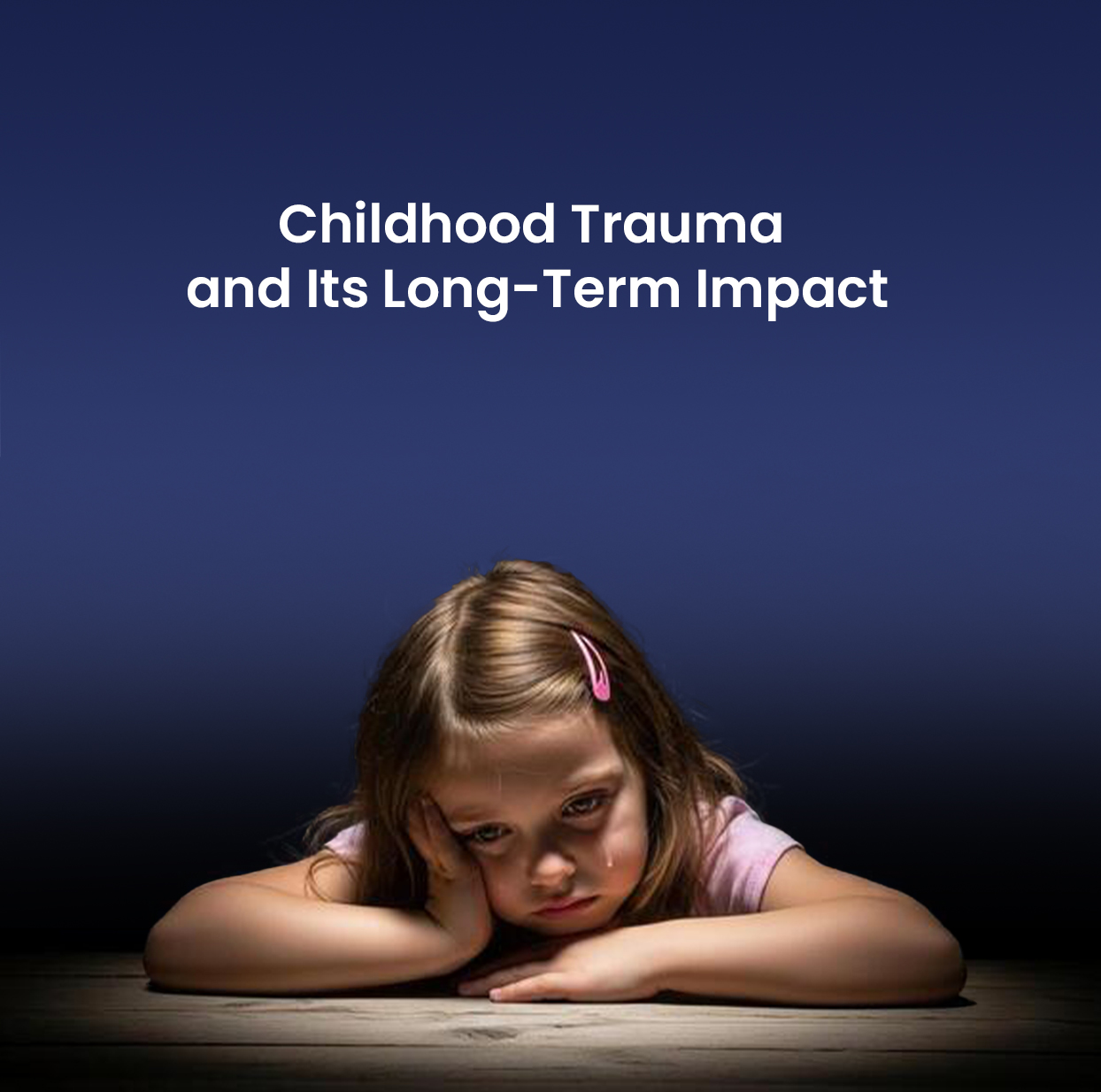
There are certain incidents from our childhood that we remember even years later. Such memories often stay with us as we grow up.
These experiences can come in many forms. It might be a gesture that made you uncomfortable, an inappropriate touch from a known person, a harsh word from a teacher, or repeated teasing from peers. Sometimes, it is not a major event, but a moment that leaves you feeling hurt, embarrassed, or unsafe.
What makes these experiences significant is not just what happened, but how they made us feel. When such emotions are not expressed or understood during childhood, they can remain within us and continue to influence our thoughts and behaviour over time. This is how childhood trauma begins, quietly, through everyday experiences that leave a lasting emotional impact. It does not always scream; sometimes, it whispers and stays.
Understanding Childhood Trauma
Childhood trauma is often misunderstood as something that results only from physical harm. In reality, trauma can be emotional or psychological and may even arise from subtle experiences. A harsh tone, constant criticism, neglect, bullying, or feeling unseen can deeply affect a child’s mental and emotional well-being.
A child’s mind is highly sensitive. What adults may overlook as small incidents can feel overwhelming to them. Trauma is not defined only by the event itself, but by how the child experiences and processes it.
Types of Child Abuse that may Lead to Trauma
Physical Abuse
Causing harm through actions like hitting, slapping, pushing, or any form of physical injury.
Emotional Abuse
Constant criticism, humiliation, manipulation, or making someone feel worthless or insecure.
Verbal Abuse
Using harsh words, insults, threats, or yelling to hurt or control someone.
Sexual Abuse
Any unwanted sexual behavior or exploitation without consent.
Neglect
Failing to provide basic needs like food, care, education, emotional support, or protection.
Psychological Abuse
Controlling behavior, intimidation, gaslighting, or isolating someone to affect their mental well-being.
Each type can shape how a child views themselves and the world around them.
The Role Parents Should Take
Parents play a crucial role in identifying and addressing trauma early. However, children often do not openly express their pain. This makes it important to observe subtle changes in behaviour.
A child who becomes quiet, avoids school, loses interest in activities, or shows signs of fear may be trying to communicate something they cannot express. Creating a safe and open environment where children feel heard is essential.
Instead of dismissing their concerns, listening with empathy can make a significant difference. Simple conversations like asking about their day can encourage them to open up. Validating their emotions, rather than minimising them, helps build trust and emotional security.
Steps to Overcome Childhood Trauma
Healing is a gradual process, but it is possible:
- Encourage children to express their feelings.
- Create a safe and supportive environment.
- Help them develop healthy coping skills.
- Reinforce their strengths and build confidence.
- Address issues early to prevent long-term impact.
For adults, recognising emotional patterns and seeking support is an important step toward healing.
The Role of Counselling
Counselling plays a key role in healing childhood trauma. It provides a safe space for individuals to express their thoughts and process their experiences.
For children, it allows open expression without fear. For adults, it helps uncover and understand deep-rooted emotions. Therapists guide individuals in reframing negative thoughts, building self-worth, and developing healthier ways to cope.
Conclusion
Childhood trauma may not always be visible, but its impact can last a lifetime. A child who suffers silently today may struggle internally as an adult. This is why awareness, empathy, and timely support are essential.
Every child deserves to feel safe, valued, and heard. Even small acts of understanding can make a lasting difference.If you or someone you know is dealing with unresolved childhood experiences, seeking help is an important step toward healing. Reach out for the best online counselling services and find your way to healing.